

10 Hidden Gems: Best Hill Stations in Himachal Pradesh
Himachal Pradesh, often called the "Land of Gods," is renowned for its majestic mountains, lush valleys, and serene landscapes. While popular destinations like Shimla and Manali draw crowds year-round, the state holds countless hidden gems waiting to be discovered. These offbeat hill stations offer tranquility, untouched natural beauty, authentic cultural experiences, and a peaceful escape from the bustling tourist trails. This comprehensive guide explores ten hidden gems in Himachal Pradesh that promise unforgettable memories for nature lovers, adventure enthusiasts, and peace seekers alike.
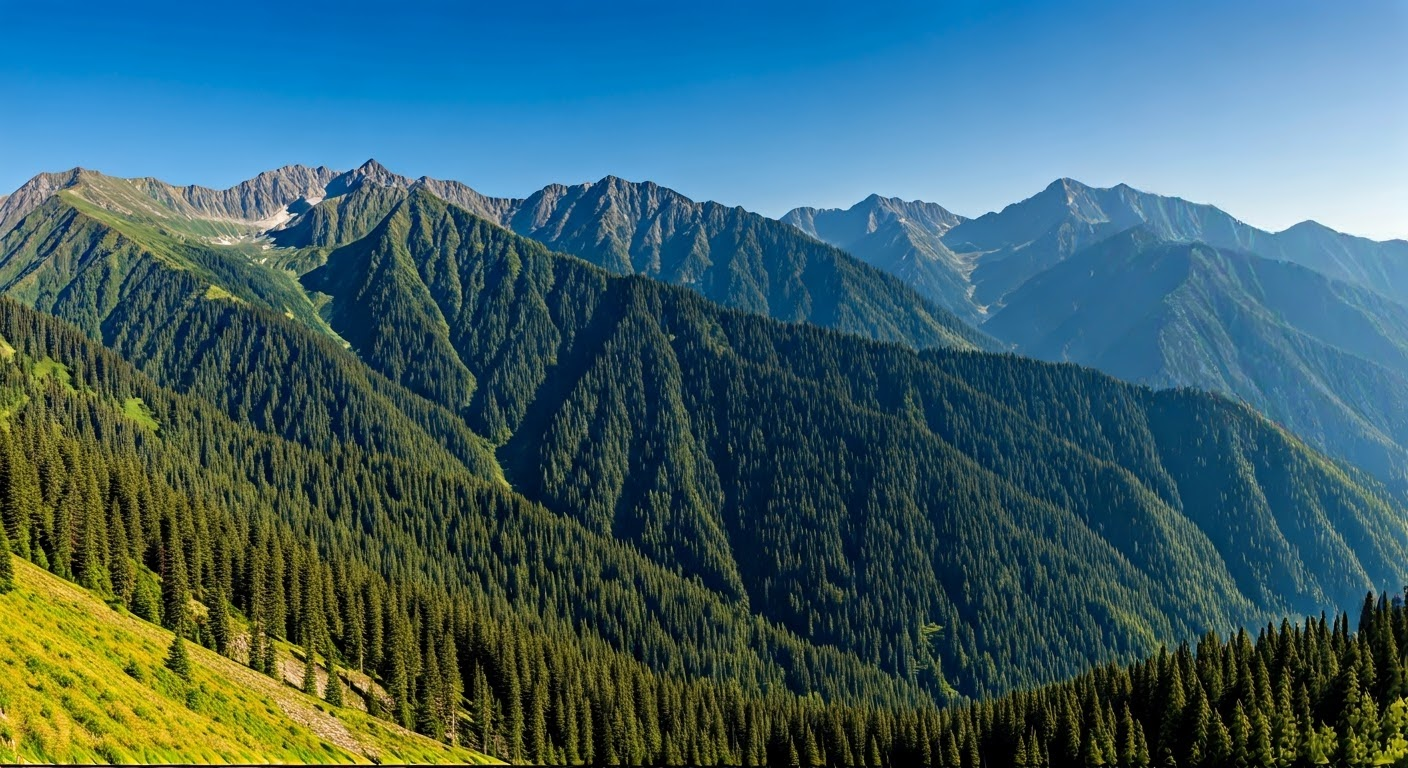
Key Highlights
- Uncover the hidden gems of Himachal Pradesh, beyond the usual tourist trails.
- Experience the tranquility of serene landscapes and breathtaking natural beauty.
- Embark on thrilling adventures like trekking, camping, and river rafting.
- Immerse yourself in the unique culture and traditions of local villages.
- Discover a perfect getaway for nature lovers, adventure enthusiasts, and peace seekers.
Introduction to Himachal's Hidden Treasures
Himachal Pradesh is famous for its beautiful scenery and has many hidden treasures waiting to be discovered. Beyond the busy tourist spots lie secret places that offer stunning views and peaceful charm. These offbeat destinations provide a unique opportunity to experience the authentic essence of the Himalayas—away from crowded markets and commercialized attractions. From serene riverside villages to mystical mountain towns, each hidden gem has its own story to tell. This blog explores ten amazing hill stations that showcase the untouched beauty of Himachal Pradesh. Join us on a journey to discover these lesser-known treasures that promise unforgettable experiences and a deeper connection with nature.
Discovering 10 Hidden Gems in Himachal Pradesh

While popular hill stations like Shimla and Manali are undeniably beautiful, venturing off the main roads reveals a completely different side of Himachal Pradesh. These hidden destinations offer a peaceful retreat from crowded tourist centers, allowing you to forge a deeper connection with the magnificent natural surroundings. From the tranquil town of Barog to the culturally unique village of Malana, each location offers its own distinct charm and experiences. Prepare to witness stunning panoramic views, crystal-clear rivers, traditional villages, and warm local hospitality. This is your opportunity to experience the true spirit of Himachal Pradesh, away from the large crowds. Let's embark on this journey to discover the lesser-known treasures awaiting your arrival.
1. Barog: A Serene Escape into the Hills

Barog is a charming hill station nestled in the Shivalik ranges of Himachal Pradesh, offering a tranquil escape from the chaos of city life. Located in Solan district at an altitude of approximately 1,560 meters, this serene town is surrounded by tall pine and oak trees, with crisp mountain air that rejuvenates the soul. Barog is named after a British engineer who reportedly took his own life here during the construction of the Kalka-Shimla railway line—a tragic story that adds an intriguing layer to the town's history. The town features beautiful colonial-style architecture, including the iconic Barog Railway Station, which is one of the most picturesque stops on the Kalka-Shimla toy train route. Visitors can enjoy leisurely strolls along scenic pathways, savor local delicacies at cozy cafes, and immerse themselves in the peaceful ambiance. Barog is an ideal destination for those seeking peace and tranquility close to nature.
Exploring the Mystical Caves of Barog
Barog is not just about serene landscapes; it also holds exciting adventures within its mystical caves. These hidden underground tunnels are believed to be ancient passageways used by sages and ascetics for meditation. As you venture into these caves, a mysterious world unfolds before you. The darkness envelops your senses, creating a feeling of excitement and wonder. With each step, you'll discover unique rock formations and fascinating legends associated with these subterranean passages. Local folklore suggests that the caves stretch for miles beneath the town, though only a portion is accessible to visitors. The mystical caves of Barog offer a unique adventure experience, blending natural wonder with a touch of mystery—a chance to step out of your comfort zone and uncover the hidden wonders of the hills.
Unwinding at Barog Heights
For those seeking true relaxation, Barog Heights offers the perfect vantage point. This elevated location provides breathtaking panoramic views of the surrounding valleys and mountains. Imagine sipping a warm cup of tea while the sun paints the sky in spectacular shades of orange and purple, with the majestic Himalayan peaks forming a stunning backdrop. The elevated vantage point offers spectacular views of the surrounding landscape, making it a favorite spot for photographers and nature enthusiasts. Barog Heights is the perfect place to unwind, reconnect with nature, and leave behind the stress of daily life. The peaceful atmosphere and incredible vistas will leave you feeling refreshed, rejuvenated, and deeply connected to the natural world.
2. Gushaini: The Tranquil Riverside Retreat

Gushaini is a picturesque village located in the Tirthan Valley of Kullu district, nestled along the banks of the pristine Tirthan River. Surrounded by dense forests of deodar, pine, and oak, this tranquil retreat is perfect for nature lovers and those seeking solitude. The soothing sound of the flowing river, combined with the melodic chirping of birds, creates a peaceful atmosphere that instantly relaxes the mind. The village serves as the gateway to the Great Himalayan National Park, a UNESCO World Heritage Site renowned for its biodiversity. Gushaini offers opportunities for riverside relaxation, angling adventures, bird watching, and trekking through pristine forests. The local homestays provide warm hospitality and authentic Himachali cuisine, allowing visitors to experience the region's rich culture firsthand. Gushaini is truly a refreshing escape from routine life and one of Himachal Pradesh's most cherished hidden gems.
Angling Adventures in the Tirthan River
For fishing enthusiasts, the Tirthan River in Gushaini offers an exciting angling experience. The river is renowned for its abundant population of brown and rainbow trout, making it a premier destination for both experienced anglers and beginners. Before casting your line, it's essential to obtain the necessary permits from the forest department. Local guides can provide valuable insights into the best fishing spots and techniques, enhancing your chances of a successful catch. The crystal-clear waters of the Tirthan River, set against the backdrop of dense forests and towering peaks, create an unforgettable fishing experience. Whether you land a prized trout or simply enjoy the peaceful ambiance, angling in Gushaini is an activity you won't want to miss. Remember to follow fishing regulations and practice catch-and-release to help preserve the river's ecosystem for future generations.
Nature Walks Through the Great Himalayan National Park
Gushaini serves as the gateway to the magnificent Great Himalayan National Park (GHNP), a UNESCO World Heritage Site renowned for its exceptional biodiversity. Nature walks through the park's diverse ecosystems offer visitors a chance to experience the pristine wilderness of the Himalayas. As you trek along the park's well-maintained trails, you'll be surrounded by towering deodar and oak forests, colorful alpine meadows bursting with wildflowers, and cascading waterfalls that tumble down rocky cliffs. The park is home to rare and endangered species including the Himalayan brown bear, snow leopard, musk deer, and over 200 species of birds. Nature walks in the GHNP provide an opportunity to connect with the wild heart of the Himalayas, leaving you with a profound appreciation for the wonders of the natural world.
3. Shoja: A Window to the Himalayan Splendor

Shoja is a beautiful village perched high in the Himalayas at an altitude of approximately 2,700 meters, just a short drive from Jalori Pass in the Seraj Valley of Kullu district. This enchanting destination offers breathtaking views of snow-capped peaks and lush valleys, making it a window to the majestic Himalayan splendor. Imagine waking up to the sight of mountains draped in mist, with slopes covered in vibrant rhododendron blooms during spring. Shoja is a paradise for trekkers, with numerous trails leading to hidden waterfalls, serene meadows, and dense forests. The village retains its old-world charm, with traditional wooden houses and friendly locals who welcome visitors warmly. Shoja's serene and unspoiled beauty embodies the true spirit of the Himalayas—a perfect place to escape the ordinary, breathe in the fresh mountain air, and create memories that will last a lifetime.
Trekking to the Waterfall Point
A trek to Waterfall Point in Shoja is an absolute must for nature enthusiasts. The trail meanders through dense forests of deodar and oak, alongside gurgling streams, leading to a hidden paradise. The path can be slippery and uneven, so sturdy, comfortable footwear is essential. Carry sufficient water to stay hydrated during the trek, and pack light with essentials like snacks, a raincoat, and a basic first-aid kit. Upon reaching Waterfall Point, you'll be greeted by the spectacular sight of water cascading down rocky cliffs into a crystal-clear pool below. The soothing sound of the waterfall creates a peaceful melody, inviting you to pause, relax, and soak in the beauty of your surroundings. This trek offers a perfect blend of adventure and natural beauty, making it a highlight of any visit to Shoja.
Star Gazing Nights at Jalori Pass
Jalori Pass, located approximately 5 kilometers from Shoja at an altitude of 3,120 meters, offers more than just stunning daytime views. When night falls, the pass transforms into an astronomical wonderland, with the night sky putting on a spectacular show. Far from the light pollution of cities, the clear mountain air creates perfect conditions for stargazing. Find a quiet spot, lie back, and let yourself be captivated by the vastness of the universe. As darkness deepens, countless stars emerge, constellations become visible, and shooting stars occasionally streak across the sky. Stargazing at Jalori Pass is a humbling experience that reminds us of the immense scale of the cosmos and the extraordinary beauty of nature. It's a wonderful way to feel connected to something larger than ourselves and to appreciate the wonders of the night sky in its purest form.
4. Kalpa: A Canvas of Colors and Cultures

Kalpa is a stunning village in the Kinnaur district, surrounded by apple orchards and offering magnificent views of the sacred Kinnaur Kailash peak. At an altitude of approximately 2,960 meters, this picturesque destination is a canvas of vibrant colors and ancient cultures. As you wander through the village, you'll encounter traditional Kinnauri houses adorned with intricate woodwork and colorful facades. The warm hospitality of the local people, combined with their unique customs and authentic Kinnauri cuisine, makes the experience even more enriching. Kalpa feels like a place where time stands still—a world preserved from the influences of modern life. The changing colors of the Kinnaur Kailash peak—glowing bright yellow at sunrise and turning deep red at sunset—offer spectacular photography opportunities. With its blend of natural beauty and cultural richness, Kalpa is a destination that captivates the heart and soul.
Witnessing the Kinnaur Kailash Range
The Kinnaur Kailash range towers over Kalpa, its majestic peaks holding deep spiritual significance for the local people. Witnessing sunrise or sunset over the Kinnaur Kailash peak is an unforgettable experience that connects you with the divine beauty of the Himalayas. As the first rays of sunlight touch the snow-covered peak, it glows with a golden hue, casting long shadows across the valley below. The entire landscape comes alive, bathed in warm light. As evening approaches, the sky puts on a spectacular show, with the Kinnaur Kailash peak illuminated in shades of orange, pink, and purple. The Kinnaur Kailash range is more than just a scenic backdrop—it is a spiritual symbol for the local community, reminding all who witness its beauty of nature's magnificence and inspiring feelings of awe and reverence.
Discovering Ancient Temples of Kalpa
Kalpa is home to ancient temples that reflect the region's rich spiritual heritage. The Narayan-Nagini Temple, dedicated to Lord Vishnu and the serpent goddess, is one of the most significant religious sites in the area. Over 800 years old, this temple showcases the remarkable craftsmanship of the Kinnauri people, with intricate woodwork and stone carvings depicting scenes from Hindu mythology. The temple complex offers a peaceful atmosphere perfect for quiet reflection. Visiting the ancient temples of Kalpa is not just about admiring their architectural beauty—it's about experiencing the tranquility and spiritual energy that permeates these sacred spaces. These temples serve as windows into the region's past, preserving stories, traditions, and beliefs that have been passed down through generations.
5. Sangla: The Baspa Valley's Crown Jewel
Sangla is the crown jewel of the Baspa Valley in Kinnaur district, situated at an altitude of approximately 2,680 meters. Surrounded by towering snow-capped peaks, dense forests of pine and deodar, and the crystal-clear Baspa River, this beautiful village offers a perfect escape for nature enthusiasts. Sangla is renowned for its apple orchards, traditional wooden houses with intricate carvings, and the ancient Kamru Fort perched on a hilltop. The village serves as an excellent base for treks into the surrounding mountains and exploration of the valley's hidden treasures. Photographers and adventure lovers will find endless opportunities to capture stunning landscapes and enjoy outdoor activities. For those seeking peaceful solitude, Sangla offers a serene retreat where the gentle flow of the Baspa River, the sweet scent of apple blossoms, and the genuine warmth of local hospitality create an unforgettable experience.
Camping by the River in Sangla Valley
Camping by the Baspa River in Sangla Valley is an experience that stays with you forever. Imagine falling asleep to the gentle sound of the flowing river and waking up to stunning views of the surrounding mountains. Choose designated campsites to ensure proper facilities and minimize environmental impact. Carry essential camping gear including a sturdy tent, sleeping bags suitable for mountain temperatures, a camping stove, and other necessities. Practice responsible camping by properly disposing of waste and leaving the natural environment as you found it. During the day, engage in thrilling river rafting on the Baspa River, where exciting rapids provide an adrenaline rush while the scenic riverbanks delight the senses. Camping by the river in Sangla Valley allows you to connect deeply with nature, enjoy adventurous activities, and create memories that will last a lifetime.
Visiting the Kamru Fort
A visit to the ancient Kamru Fort is like stepping back in time. Perched on a hilltop overlooking the Sangla Valley, this fort is believed to be over 800 years old and showcases the remarkable architectural skills of the region's ancestors. The intricate wood carvings and robust stone walls tell stories of a rich historical legacy. Explore the fort's chambers, courtyards, and secret passages, each revealing fascinating glimpses into the area's past. Inside the fort complex, a temple dedicated to the goddess Kamakhya Devi adds to its spiritual significance. Standing proudly amidst the magnificent Himalayan landscape, the Kamru Fort represents the architectural heritage of the region. Its beautiful design and historical importance make it an essential destination when visiting Sangla Valley.
6. Chitkul: India's Last Village
Chitkul is the last inhabited village on the Indo-Tibetan border, located in the Baspa Valley of Kinnaur district at an altitude of approximately 3,450 meters. This charming destination offers a unique glimpse into a world that feels frozen in time. Surrounded by snow-capped peaks and lush greenery, Chitkul features beautiful traditional wooden houses, colorful wildflowers, and the pristine Baspa River flowing through the village. Take a leisurely walk along the riverbank, interact with the friendly locals, and immerse yourself in the peaceful atmosphere of this remote settlement. As the last village accessible by road before the border, Chitkul offers a sense of being at the edge of civilization. The fresh mountain air, breathtaking scenery, and thrilling feeling of remoteness provide a perfect opportunity to disconnect from the outside world, embrace simple village life, and embark on a truly authentic adventure.
A Day Trip to the Indo-Tibet Border
From Chitkul, you can embark on a memorable day trip to the Indo-Tibet border. The journey takes you through rugged terrain, high mountain passes, and along the winding Baspa River, with breathtaking views at every turn. The border features a gate marking the frontier, beyond which lies Tibet. The stark beauty of the landscape, the fluttering prayer flags, and the sense of standing at the edge of another world make this experience truly special. Ensure you carry necessary permits and identification documents for this excursion. A day trip to the Indo-Tibet border from Chitkul is more than just reaching a destination—it's an experience that lingers in your memory long after you return. It offers a glimpse into different cultures, the stunning beauty of the Himalayas, and the excitement of exploring a remote corner of the world.
Relishing Local Delicacies at Chitkul
No visit to Chitkul is complete without savoring the delicious local cuisine that warms both heart and soul. This remote village offers a special opportunity to taste the authentic flavors of the Himalayas. Try traditional Kinnauri meals prepared with fresh, locally sourced ingredients. Be sure to sample Siddu, a steamed wheat bread stuffed with a flavorful mixture of poppy seeds, walnuts, or lentils. Another must-try dish is Chha Gosht, a delicious mutton preparation featuring aromatic spices, yogurt, and dried apricots. The local food of Chitkul reflects the resourcefulness and culinary traditions of the Kinnauri people. Simple ingredients, combined with traditional cooking methods, create dishes that are both satisfying and deeply comforting—a true taste of the Himalayas.
7. Malana: The Village of Taboos
Malana, often called the "Village of Taboos," is a unique settlement in the Parvati Valley of Kullu district, known for its strict customs and distinctive culture. The people of Malana claim descent from Alexander the Great's army, and their traditions reflect a fiercely independent identity. Visitors must respect the village's rules, which include not touching villagers or their belongings, and staying on designated paths. The village's remote location and strong cultural boundaries make it a fascinating destination for those interested in unique ways of life. Malana's isolation and strict customs create an intriguing atmosphere, but it's essential to approach with respect and sensitivity. Adhering to local traditions and showing respect will help ensure a safe and meaningful visit to this extraordinary village.
Trekking to Malana – A Forbidden Experience
The journey to Malana is an adventure in itself, with the trekking path winding through dense forests and offering spectacular views of the Parvati Valley. Respect local customs by avoiding physical contact with villagers or their possessions, and always ask for permission before taking photographs. Pack light, carrying only essentials such as water, snacks, and weather-appropriate clothing. Hiring a local guide can provide valuable insights into village customs and help you navigate the trek safely. Malana's beauty and uniqueness are undeniable, but it's crucial to be mindful of the villagers and their way of life. Responsible tourism practices help preserve their unique culture and traditions for future generations.
Exploring the Unique Culture of Malana
- Malana possesses a unique culture that sets it apart from any other Himalayan village.
- The villagers maintain their own governance system, distinct language, and religious beliefs, preserved over centuries.
- The Malanese worship their deity Jamlu Rishi, considered the true ruler of the village, and maintain their own court to settle disputes.
- They speak Kanashi, a unique language not spoken anywhere else in the world.
- Exploring Malana's culture is like stepping back in time—an opportunity to witness traditions passed down through generations and appreciate the diversity of human culture.
- When exploring, it's essential to remain respectful, observe customs, and always ask permission before interacting with villagers.
8. Karsog Valley: In the Lap of Nature
Karsog Valley, known as the "Land of Temples," is a nature lover's paradise located in the Mandi district of Himachal Pradesh. This picturesque valley features lush green meadows, apple orchards, dense forests of deodar and oak, and a network of ancient temples. Each temple has its own fascinating stories about the region's rich history and cultural heritage. Karsog Valley remains blissfully untouched by mass tourism, offering a peaceful retreat for those seeking to unwind in nature's embrace. Explore ancient temples, hike along scenic trails, or simply sit back and soak in the breathtaking views. The pure mountain air, the melodious sounds of birds, and the stunning landscapes create a sense of tranquility that's hard to find elsewhere. Karsog Valley offers a rejuvenating experience that refreshes both body and soul.
The Mysterious Temples of Karsog
Karsog Valley is renowned for its mysterious temples, each with its own unique story and architectural style. The Mamleshwar Mahadev Temple, dedicated to Lord Shiva, is believed to be over 1,200 years old and holds deep religious significance. The Kamaksha Devi Temple, perched on a hilltop, offers spectacular views of the valley below. The intricate carvings and ancient inscriptions found within these temples provide fascinating glimpses into the region's spiritual heritage. Visiting the mysterious temples of Karsog feels like a journey through time. The stories preserved within their walls, the intricate craftsmanship, and the spiritual energy in the air create an unforgettable experience—a chance to connect with the history, faith, and traditions of the region.
Hiking Trails Surrounding Karsog Valley
Karsog Valley offers excellent opportunities for adventure enthusiasts with its network of hiking trails. The trek to Shikari Devi Temple is a challenging but rewarding journey, reaching an altitude of 3,350 meters with stunning views along the way. Explore the lush green meadows of Chindi, where apple orchards and towering deodar trees create a beautiful landscape. Venture off the beaten path to discover hidden waterfalls cascading down rocky cliffs, enhanced by the surrounding greenery. Hiking in Karsog Valley is good for both body and soul—the fresh mountain air and the sounds of nature make this experience unforgettable, with views that will remain in your memory forever.
9. Rajgarh: The Peach Valley
Rajgarh Valley, located in the Sirmaur district of Himachal Pradesh, is a hidden gem famous for its fruit orchards, particularly peaches. The valley's favorable climate and fertile soil support the cultivation of delicious peaches, apples, plums, and other fruits. During spring, Rajgarh Valley transforms into a spectacular sight—the peach blossoms blanket the landscape in shades of pink and white, while the sweet fragrance of the flowers fills the air. Beyond its fruit orchards, Rajgarh Valley offers dense forests, ancient temples, and charming villages to explore. It's an ideal destination for nature lovers, adventure seekers, and cultural explorers seeking authentic experiences away from crowded tourist centers.
Bird Watching in Rajgarh Valley
Rajgarh Valley is a paradise for bird watchers, with its diverse habitats including dense forests, fruit orchards, and riverine areas attracting a wide variety of bird species. Keep an eye out for colorful Himalayan birds, including the spectacular Himalayan Monal, the state bird of Himachal Pradesh, with its iridescent plumage. Other species you might spot include the White-crested Khalij Pheasant, Himalayan Griffon, and various woodpeckers, finches, and thrushes. Whether you're an experienced birder or a beginner, Rajgarh Valley offers abundant opportunities to observe and appreciate these wonderful creatures in their natural habitat. Early mornings are particularly rewarding for bird watching, when bird activity is at its peak.
Walking Through the Orchards of Rajgarh
Take a leisurely walk through the fruit orchards of Rajgarh Valley, where rows of peach, apple, and plum trees create a picturesque landscape. In spring, the orchards burst into bloom, transforming the valley into a canvas of delicate pink and white blossoms. As you stroll through the orchards, breathe in the sweet fragrance of the flowers and listen to the gentle buzzing of bees busy with pollination—a truly refreshing and delightful experience. In autumn, the trees are laden with ripe fruit, their branches bending under the weight of the season's harvest. You can sample the fresh sweetness of peaches, apples, and plums, whose flavors are enhanced by the clean Himalayan air and absence of pollution.
10. Janjehli: A Trekker's Paradise

Janjehli is a hidden treasure in the Mandi district, offering a paradise for trekking enthusiasts. Surrounded by pristine forests, meadows carpeted with wildflowers, and challenging trails, this destination provides the perfect escape for adventure seekers. The trek to Shikari Devi Temple is a popular route, taking you through dense forests and offering spectacular views of the Dhauladhar and Pir Panjal mountain ranges. Along the way, you'll encounter ancient temples and shrines that add a spiritual dimension to the journey. Janjehli also serves as a base for exploring the Shikari Devi Wildlife Sanctuary, home to various Himalayan wildlife species. Whether you're an experienced trekker or a beginner seeking a challenging yet rewarding adventure, Janjehli has something to offer every outdoor enthusiast.
Venturing Into the Shikari Devi Sanctuary
The Shikari Devi Wildlife Sanctuary, located near Janjehli, is a haven for wildlife enthusiasts. Spanning approximately 110 square kilometers, this sanctuary provides habitat for Himalayan species including the Himalayan black bear, goral, musk deer, and numerous bird species. To enter the sanctuary, obtain the necessary permits from the forest department at the sanctuary office. Hiring a local guide is highly recommended, as their knowledge of the sanctuary's flora, fauna, and trails will enhance your experience. Carry binoculars and field guides to improve your wildlife spotting opportunities. Exploring the Shikari Devi Sanctuary offers a chance to experience the pristine beauty of the Himalayas, with its untouched forests, meadows, and streams providing an ideal habitat for diverse plant and animal life—a must-visit destination for nature lovers and wildlife enthusiasts.
The Historic Temples of Janjehli
Janjehli is home to historic temples that reflect the region's cultural heritage. The Budha Kedar Temple, dedicated to Lord Shiva, is known for its intricate carvings and peaceful atmosphere. This temple, over 500 years old, holds deep significance for the local community. Every August, the Budha Kedar Mela attracts numerous visitors who come to pay homage to the deity. Visiting the historic temples of Janjehli offers insight into the spiritual beliefs and cultural practices of the region. The detailed craftsmanship, ancient inscriptions, and serene surroundings create an atmosphere of tranquility, inviting visitors to connect with their spiritual side and appreciate the rich cultural heritage preserved in these sacred spaces.
Conclusion
Exploring the hidden gems of Himachal Pradesh offers a refreshing escape into nature's most pristine landscapes. From the tranquil riverside retreat of Gushaini to the culturally unique village of Malana, each destination holds its own treasures waiting to be discovered. Whether trekking through the scenic trails of Karsog Valley, stargazing at Jalori Pass, or camping by the Baspa River in Sangla, every moment brings new adventures. These offbeat destinations offer the perfect balance of peace and excitement for every type of traveler. Plan your visit according to the seasons, pack appropriately for mountain conditions, and prepare to create unforgettable memories amidst the stunning beauty of the Himalayas. Embark on this journey to discover the tranquility, natural splendor, and cultural richness of Himachal Pradesh's best-kept secrets.
Frequently Asked Questions
What is the Best Time to Visit These Hidden Gems in Himachal Pradesh?
The best time to visit these hidden gems in Himachal Pradesh is during the summer months from April to June and autumn from September to November. During these periods, the weather remains pleasant with comfortable temperatures, clear skies, and ideal conditions for outdoor activities like trekking, sightseeing, and camping. The monsoon season (July-August) should be avoided due to heavy rainfall that can cause landslides and road closures. Winter (December-March) offers a unique experience with snow-covered landscapes, though some high-altitude destinations may become inaccessible.
How Can I Reach These Offbeat Locations in Himachal Pradesh?
These offbeat locations are well-connected by road. The nearest airport is Bhuntar Airport (Kullu-Manali Airport), which connects to major Indian cities. The nearest railway stations are Kalka Railway Station (for Shimla region) and Pathankot Railway Station (for Kangra and Chamba regions). From these points, you can hire private taxis or take local buses to reach your destination. Many of these hidden gems are accessible via scenic road trips, making the journey itself a memorable part of the experience. For remote locations like Malana and Chitkul, local transportation may be limited, so planning ahead is recommended.
Are These Locations Suitable for Family Vacations?
Yes, these locations are generally suitable for family vacations, though some may require more preparation than others. Destinations like Barog, Gushaini, Shoja, Kalpa, Sangla, and Rajgarh offer family-friendly accommodations and activities suitable for all ages. Locations like Malana and certain trekking destinations may be better suited for families with older children due to the challenging terrain and cultural considerations. For families, it's advisable to research each destination's accessibility, available amenities, and recommended activities before planning your trip. Most of these hidden gems offer nature walks, cultural experiences, and comfortable homestays that work well for family travel.
What Should I Pack for a Trip to These Hill Stations?
- Clothing: Pack layers including warm woolen clothing, waterproof jackets, comfortable trekking pants, and sturdy walking shoes. Even in summer, evenings can be chilly.
- Essential Gear: Sunscreen (high SPF), sunglasses, insect repellent, a comprehensive first-aid kit, and a reusable water bottle.
- Documents: Carry valid identification, necessary permits (for border areas like Chitkul), and copies of travel insurance.
- Electronics: Camera with extra batteries, power bank, and flashlight with spare batteries.
- Other Essentials: Basic toiletries, any personal medications, and cash (ATMs may not be available in remote areas).
Are These Hidden Gems Safe for Solo Travelers?
Yes, most of these hidden gems are safe for solo travelers. Himachal Pradesh has a reputation for being welcoming to travelers, and local communities are generally helpful. However, solo travelers should take standard precautions: inform someone about your itinerary, avoid trekking alone on remote trails, stay in reputable accommodations, and respect local customs and traditions. For destinations like Malana, it's particularly important to follow local guidelines and customs. Hiring local guides for treks and activities is recommended for safety and to enhance your experience. The tourism infrastructure in these areas is well-developed enough to accommodate solo travelers while maintaining their offbeat charm.